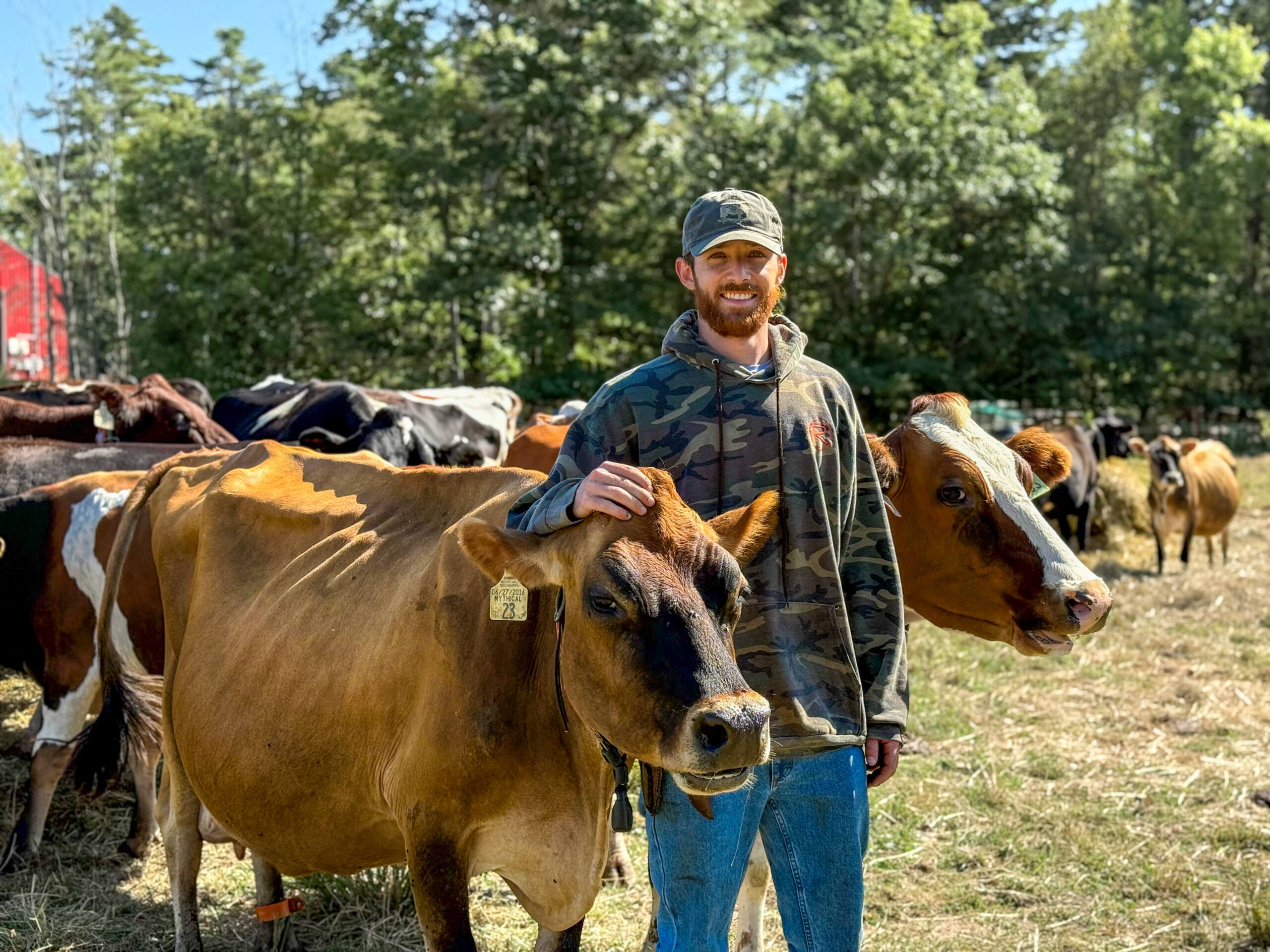
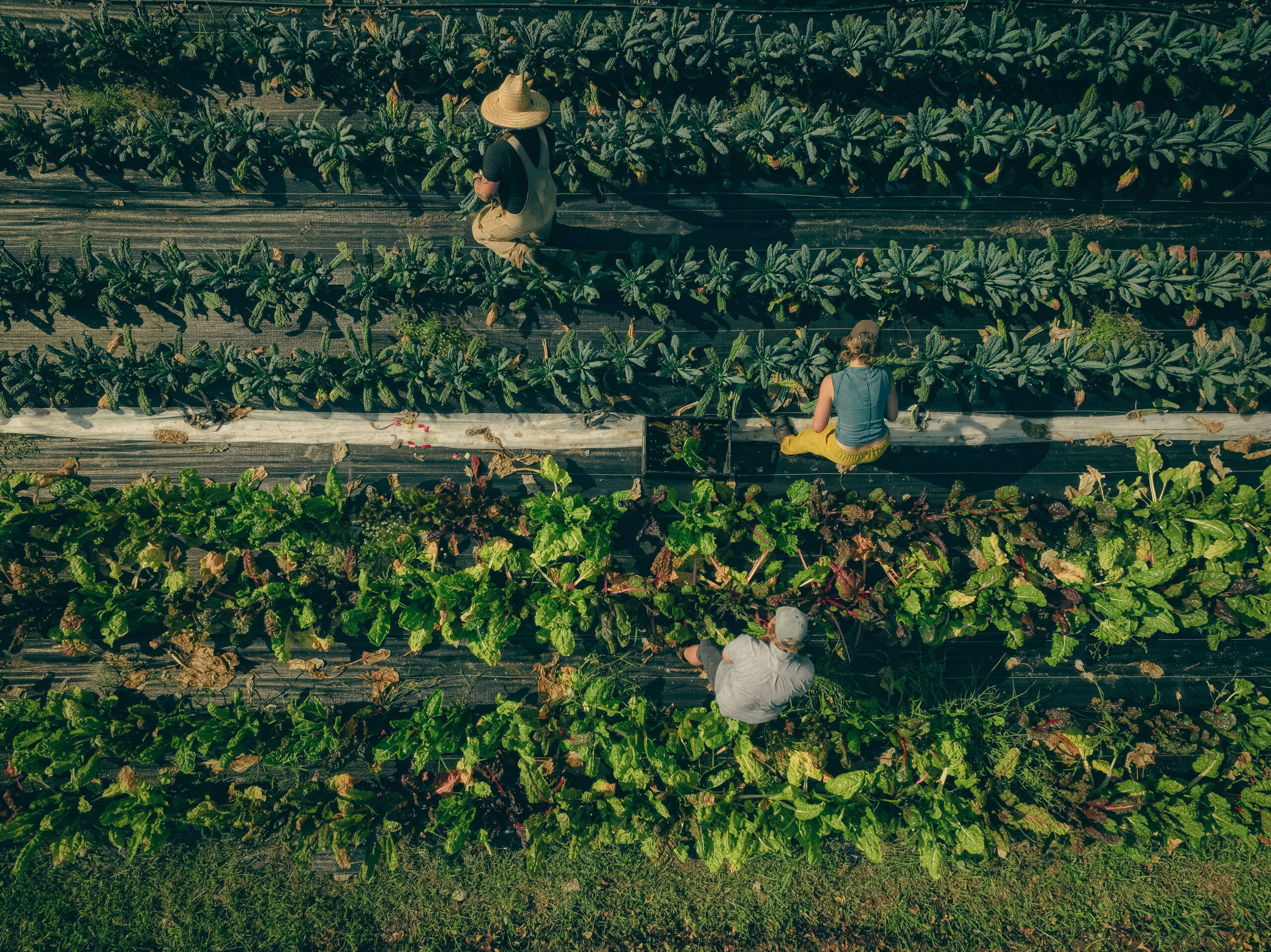
Advancing the science of regenerative agriculture requires time, acreage, and risk that production farms often can’t spare. At Wolfe’s Neck Center for Agriculture & the Environment, we put our landscape, nonprofit status, and deep regional partnerships to use building this knowledge and passing it along to farmers in Maine and across the Northeast. “We offer a place to experiment,” says Research Scientist Laura Sofen, “so that results and recommendations are applicable to a whole new group of farmers.”
Cooper Giblin cuts an impressive figure standing in the back of his ancient pickup truck, going over his plans for grazing a small pasture in Freeport, Maine, with his three lowline Angus cows. Every aspect of the Dairy Grazing Apprenticeship curriculum is on display, from the practical (How will the cows exit the trailer? Is the portable solar-powered electric fencing set to the right voltage?) to the ecological.
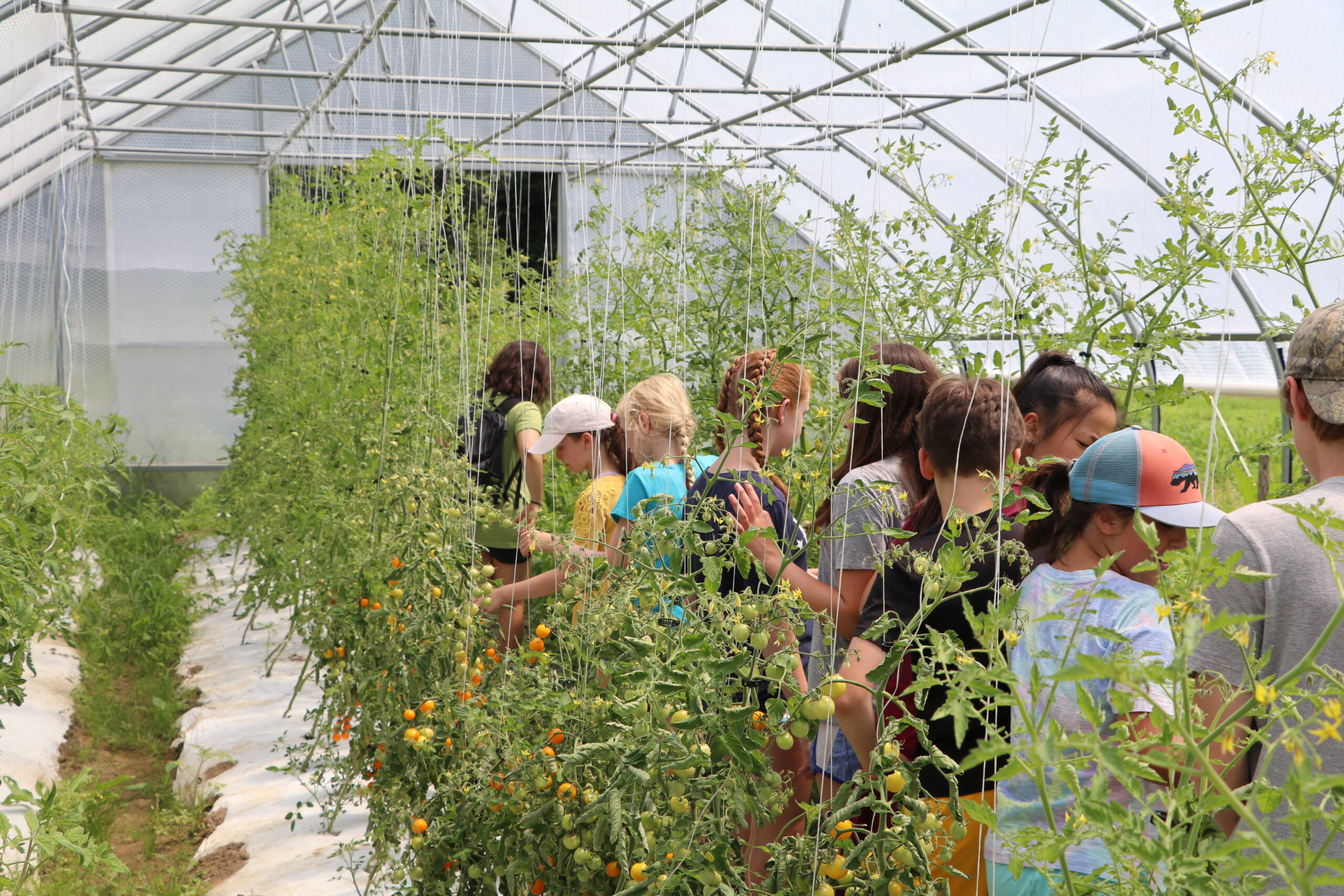
“Many students don’t have the chance to participate in outdoor education,” says Michael Messina, Visitor Programs Manager and lead educator for many of these field trips, part of our Visitor Education and Experience program area. “Because of Wolfe’s Neck Center, they get to.” Improving access to farm-based experiential education about food and the environment is what brings staff like Messina to work every day.
![]()
![]()

Your support strengthens our work in regenerative agriculture — advancing research, education, and training for:
• Thriving farms
• Healthier soil
• Cleaner water
• A more resilient food system