Casco History Lab
Coming Winter 2025/26
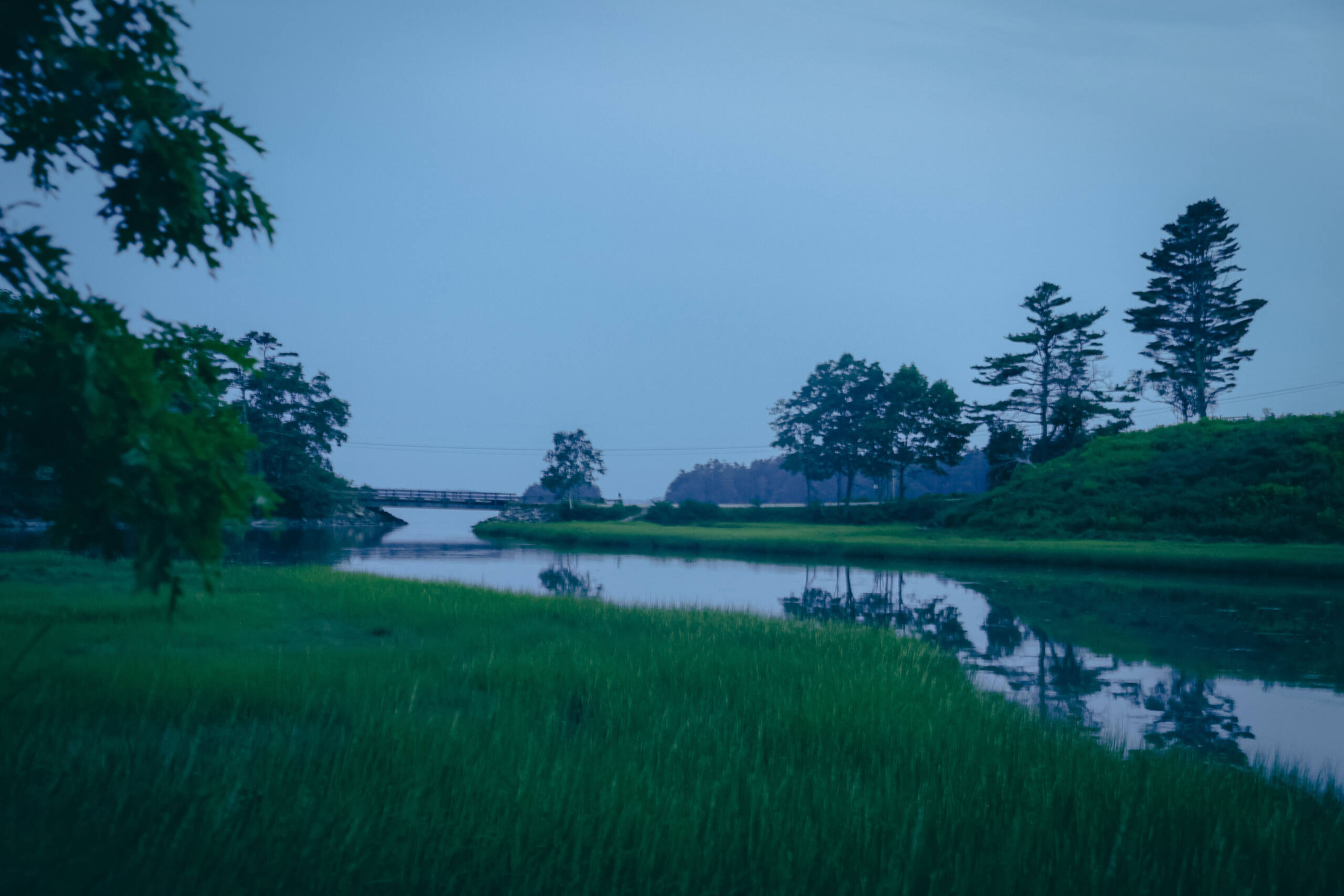
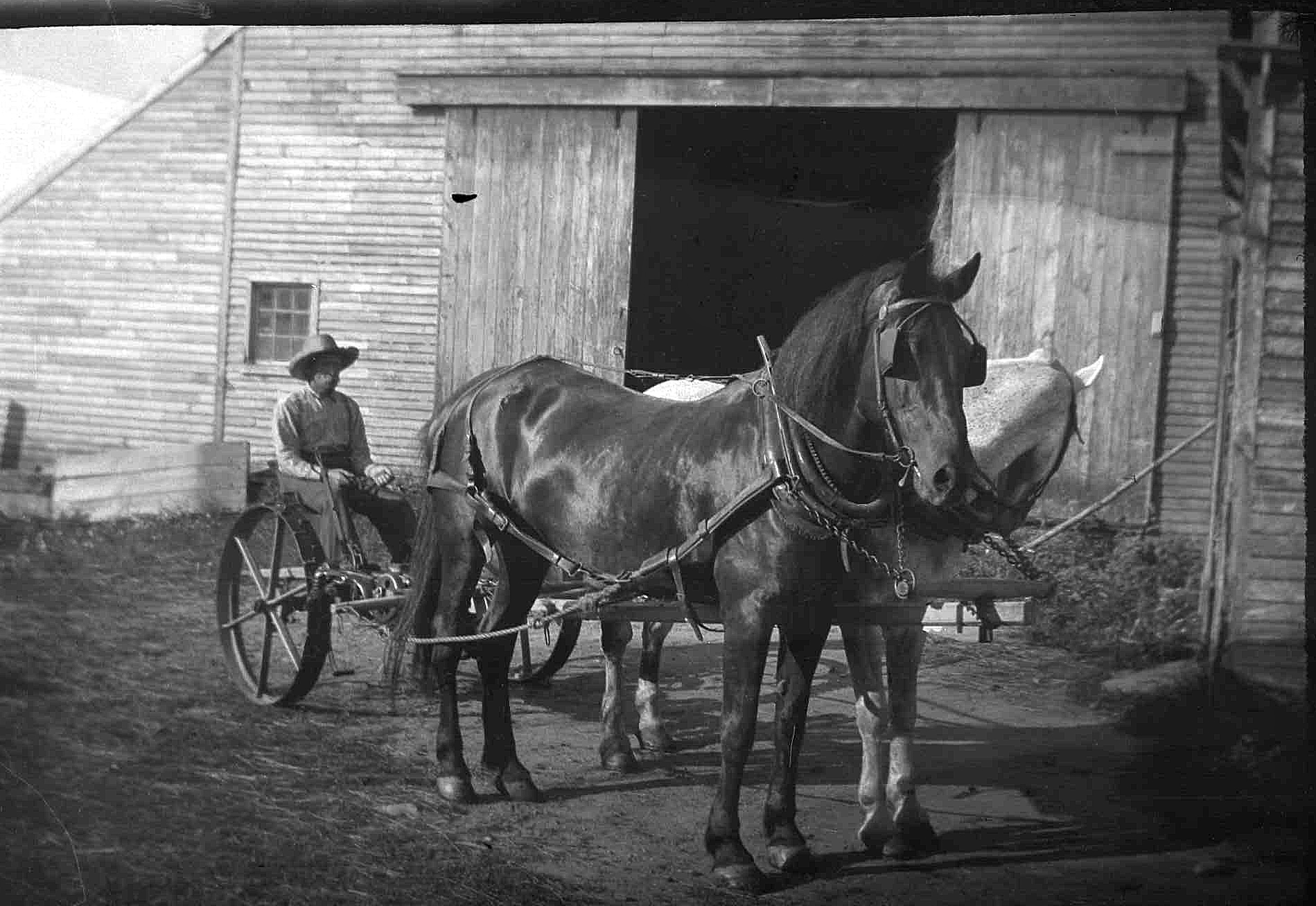
The Casco History Lab at Wolfe’s Neck Center, currently in development, is a unique public resource connecting the rich history, landscapes, natural resources, and built environment of Wolfe’s Neck Center’s campus and its Harraseeket River environs. The History Lab will be directed by anthropologist and curator Tilly Laskey and housed in a 1750s saltbox-style house on the National Register of Historic Places, part of a working farm then as now. The farm fields that surround it and the ocean view beyond are largely unchanged since an international sea captain and farmer called it home in the 1790s. The site of his tide mill is below; remnants of wharf sites also remain. An adjacent 19th century repurposed barn houses Wolfe’s Neck Center’s dairy cows today. The Mallet Barn – a nearby 1890 grand post-and-beam structure – offers potential program space.
The farm’s landscape – largely undisturbed by modern development – and its historic structures hold centuries, even millennia, of the history of the place we now call Maine. The Casco History Lab will explore the Indigenous and European record written on the land here and make connections to present cultural and agricultural uses.
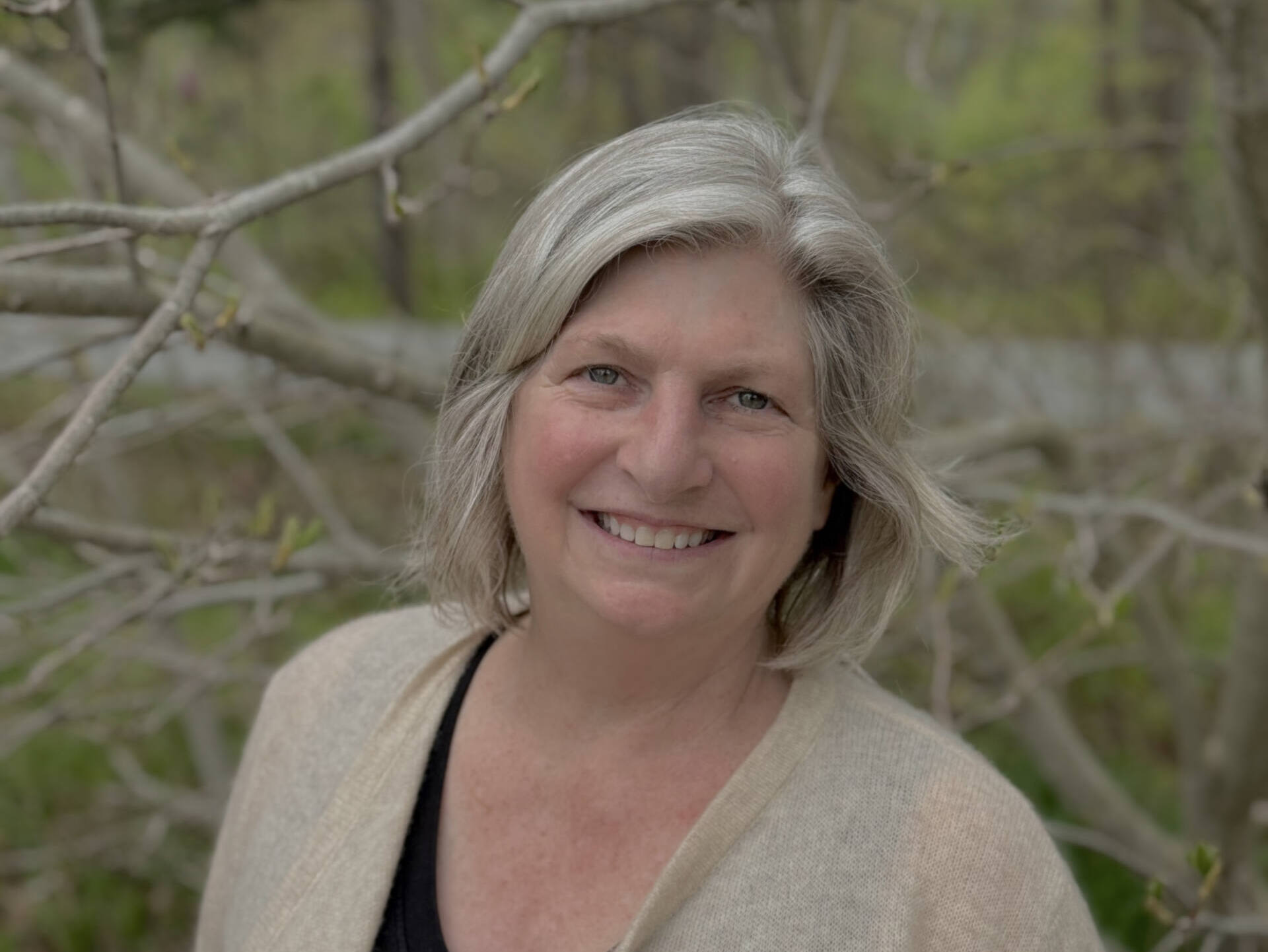
Tilly Laskey is an anthropologist, art historian and museum curator specializing in Indigenous art and culture and collaborative curation. Born and raised in Maine, she has curated at nationally-recognized museums in Maine, Minnesota, and South Dakota. Laskey comes to Wolfe’s Neck Center from the Maine Historical Society in Portland, where she served as curator since 2014. She is a published author of articles and book chapters, and is the co-author of the book, Precious and Adored: the love letters of Rose Cleveland and Evangeline Marrs Whipple, 1890-1918 (2019).
As Public Historian for the Lab, Laskey will foster collaborations between researchers, educators, scholars, students, and the public. A crucial function of the Lab will be to create a collaborative space within Wolfe’s Neck Center, using history and the built environment to bridge our work across experiential education, agricultural research, and farmer training.

Your support strengthens our work in regenerative agriculture — advancing research, education, and training for:
• Thriving farms
• Healthier soil
• Cleaner water
• A more resilient food system